
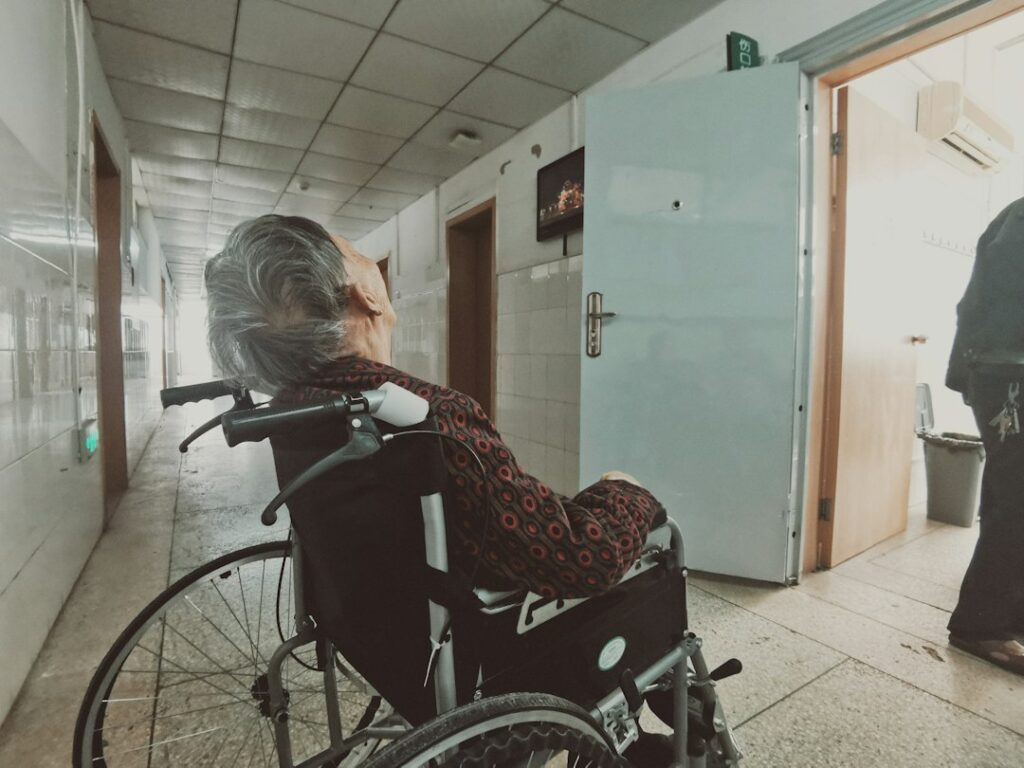
Assisted living is a residential option for adults who need help with some everyday activities but do not require continuous skilled nursing care. For households in East Greenville, PA, understanding how assisted living works can make future planning less stressful and help families compare care options more realistically.
What does assisted living mean?
Assisted living combines housing, meals, personal support, safety monitoring, and social opportunities in a residential setting. Residents usually have private or shared living spaces and receive help based on their individual needs.
Assistance may include:
- Bathing, dressing, grooming, and personal hygiene
- Walking, transferring, or getting in and out of a chair
- Toileting and continence-related tasks
- Eating and drinking
- Medication reminders or medication administration
- Laundry and housekeeping
- Transportation arrangements
- Scheduling and coordinating health care
- Organized activities and opportunities for social connection
The purpose is not to take away independence. A well-designed assisted living plan supports the tasks that have become difficult while allowing the resident to make choices about daily routines, meals, activities, visitors, and personal preferences.
Who is assisted living designed for?
Assisted living may be appropriate for someone who can no longer live safely or comfortably at home without regular help, but who does not need the medical intensity of a nursing facility.
Common signs that a person may benefit include:
- Frequent falls or difficulty moving around the home
- Missed medications or confusion about prescriptions
- Trouble preparing meals or maintaining nutrition
- Increasing difficulty bathing, dressing, or using the bathroom
- Social isolation after driving becomes unsafe
- A home that has become difficult to maintain
- Family caregivers who cannot provide consistent daily support
A person does not need to be completely unable to care for themselves. Many residents move into assisted living while they can still manage several activities independently.
Assisted living is also not limited to people with physical disabilities. Some residences serve adults with memory loss, early cognitive impairment, or other conditions that require supervision and structured routines. The residence must determine whether it can safely meet a person’s specific needs.
How is assisted living different from a nursing home?
Assisted living is primarily residential care with personal support. A nursing home provides a higher level of medical and nursing care for people with complex or ongoing health needs.
A person may need nursing home care rather than assisted living if they require:
- Continuous skilled nursing supervision
- Frequent medical treatments
- Extensive assistance with nearly all daily activities
- Complex wound care or medical equipment management
- Rehabilitation or monitoring that cannot be safely provided in a residential setting
The distinction is based on care needs, not simply age or diagnosis. Someone with a serious medical condition may still be appropriate for assisted living if the residence can safely provide or coordinate the necessary services. Care needs can also change over time, so a move to assisted living is not always a permanent endpoint.
What is the difference between assisted living and a personal care home in Pennsylvania?
Pennsylvania recognizes both personal care homes and assisted living residences as licensed residential settings, but the two categories do not have identical care standards.
Personal care homes generally provide housing, meals, supervision, and help with personal care for people who do not need 24-hour nursing care. Assisted living residences provide similar services and may be equipped to serve people with higher care needs while offering more opportunities to age in place and participate in decision-making.
Families should ask which license a residence holds and what services are actually available under that license. The name used in advertising may not explain the full difference. Pennsylvania residences are licensed and regulated through the Department of Human Services, with requirements related to staffing, training, fire safety, food service, resident care, medication procedures, and building conditions.
What does daily life look like?
Daily life usually includes a combination of personal choice and predictable support. A resident may wake up, choose clothing, attend breakfast, receive help with medications, participate in an activity, rest, and spend time with visitors or other residents.
Meals are commonly served in a dining area, although accommodations may be available for residents who need help eating or who have dietary restrictions. Activities may include exercise, crafts, music, games, religious observance, educational programs, outdoor time, or seasonal events.
For families in East Greenville, seasonal weather deserves practical attention. Snow, ice, heat, and changing daylight can affect transportation, outdoor activities, fall risk, and access to appointments. Questions about winter emergency plans, backup power, indoor walking space, and transportation during poor weather can be especially useful.
How much does assisted living cost?
Assisted living costs vary widely and are not based only on the size of an apartment. The total may include rent, meals, utilities, housekeeping, transportation, medication support, personal care, and additional charges tied to a resident’s care level.
Before comparing prices, ask for a written explanation of:
- The base monthly rate
- Included personal care services
- Medication costs and administration fees
- Charges for incontinence supplies or assistance
- Transportation fees
- Guest meals and additional services
- One-time entrance, community, or move-in fees
- Circumstances that can increase the monthly rate

Medicare generally does not pay for room, board, and routine assisted living services. Health insurance may cover certain medical services provided separately, but families commonly use personal income, savings, pensions, long-term care insurance, or other benefits to pay for residential care. Eligibility for public assistance programs depends on the person’s circumstances and the specific service involved.
What should families ask before choosing a residence?
A tour should go beyond appearance. Ask how the residence handles ordinary situations that affect daily safety and quality of life.
Useful questions include:
- What happens if a resident falls during the night?
- How are medications stored, administered, and reviewed?
- What are the usual staffing levels on evenings, weekends, and holidays?
- How does the residence respond to wandering or increased confusion?
- Can residents bring familiar furniture or personal belongings?
- How are care plans created and updated?
- What services cost extra?
- What happens if the resident needs more care later?
- How are families notified about injuries, illness, or changes in behavior?
- What are the procedures during severe winter weather or power outages?
Families should also review the residency agreement, discharge policies, refund rules, grievance process, and current licensing information. A residence should be able to clearly explain what it can and cannot provide.
What rights do assisted living residents have?
Residents retain important rights, including dignity, privacy, participation in care decisions, access to personal belongings, communication with others, and freedom from abuse, neglect, and unnecessary restraints. They should receive information about services, charges, house rules, and the process for making complaints.
A resident also has the right to be treated as an individual rather than as a diagnosis. Preferences involving food, sleep schedules, clothing, relationships, cultural practices, and activities should be discussed during care planning.
If concerns arise, document dates, conversations, symptoms, injuries, or missed services. Pennsylvania maintains formal complaint and oversight processes for licensed personal care homes and assisted living residences. Serious safety concerns may require prompt reporting to the appropriate state or protective services authority.
When should families begin planning?
Planning is easier before a crisis. A sudden fall, hospitalization, caregiver illness, or unsafe driving decision can force families to make choices quickly, sometimes without enough time to compare care levels or costs.
Early planning can include discussing the person’s preferences, reviewing finances, organizing medication information, identifying decision-makers, and visiting different types of residential settings. The goal is not to predict every future need. It is to understand available options before an urgent decision is required.
For many older adults, assisted living is best understood as a support system that can provide structure, safety, and help with daily life while preserving as much independence as possible.
